

For decades, the soil beneath our feet was treated as a “black box” in global climate and ecosystem models. We knew that soil microbes were responsible for critical biogeochemical cycles, yet their immense diversity and the complexity of their interactions meant they were often simplified into static parameters or ignored entirely as “functionally redundant”. My career as a researcher has been dedicated to prying open this black box, using emerging molecular tools and ecological theories to understand how microbial communities regulate Earth’s climate, respond to global change, and can even be harnessed for environmental remediation.
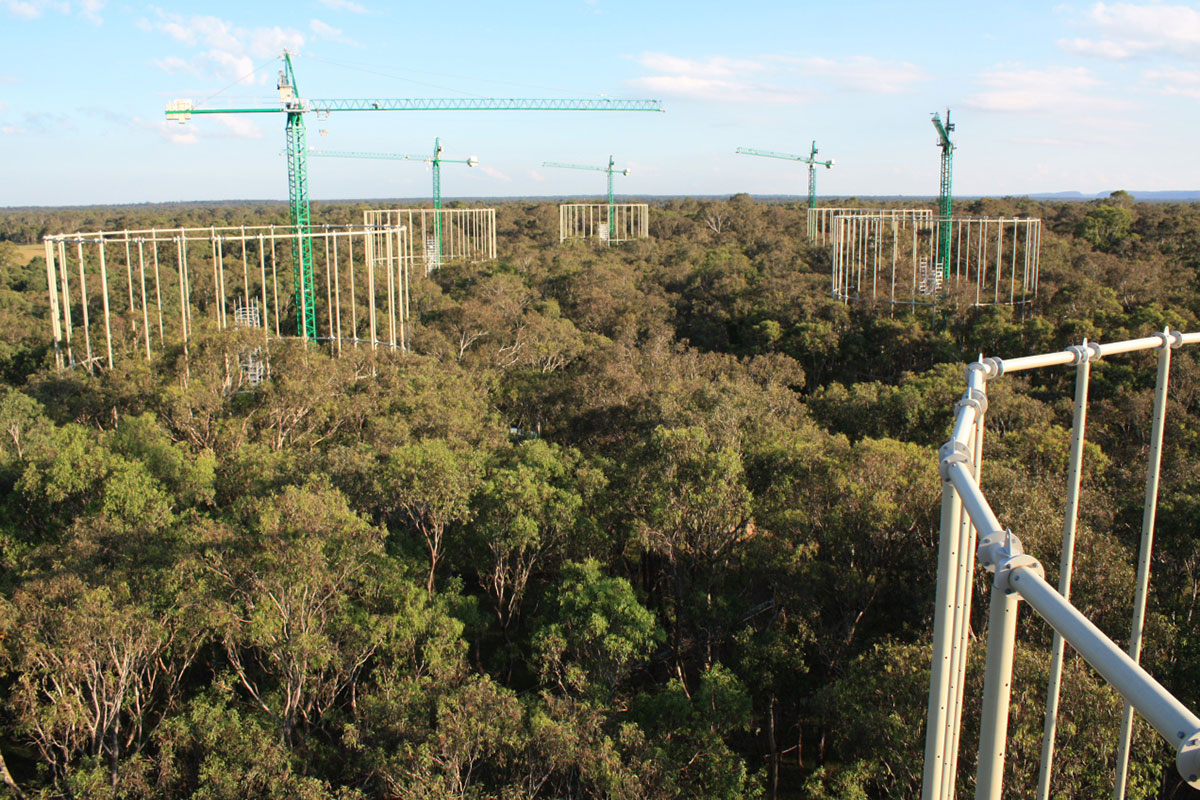
Not every data consultant starts in a spreadsheet. Some start in a field, pushing gas-sampling chambers into the ground at dawn, or in a molecular biology lab, running gel electrophoresis late into the evening. This is the story of how a career in research science became the foundation for a new chapter in data.
My scientific career began in earnest with a MSc thesis on Multiplex Terminal RFLP (M-TRFLP) — a molecular fingerprinting method for characterising soil microbial communities with high resolution. That early work, co-authored with Brajesh K. Singh and published in Applied and Environmental Microbiology, laid the methodological groundwork for years of subsequent research.