
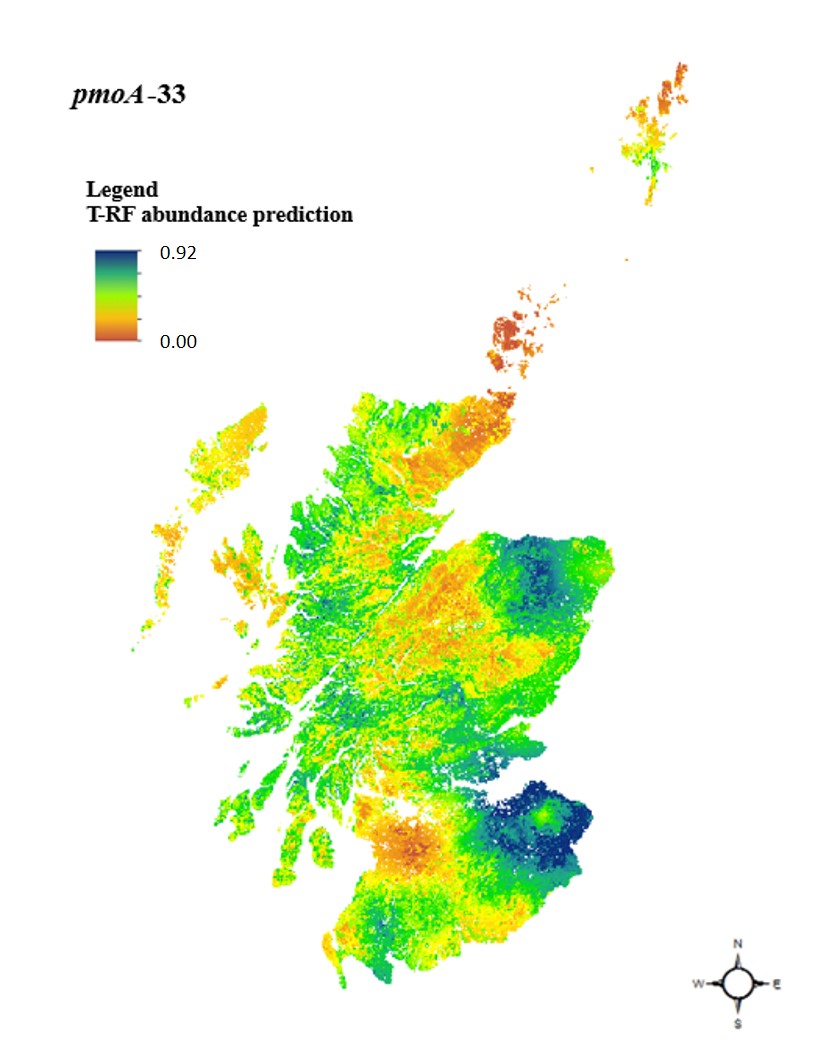
Greenhouse gas (GHG) flux measurements are notoriously noisy. Sensors drift, weather disrupts sampling, and the relationship between soil conditions and gas emissions is non-linear. This post walks through the analytical approach used in environmental GHG research projects, using data from the EucFACE experiment as a reference.
The primary gases of interest in soil flux studies are:
Fluxes are typically measured in µmol m⁻² s⁻¹ (CO₂) or nmol m⁻² s⁻¹ (CH₄, N₂O).
A data pipeline moves data from one or more sources through a series of transformations to a destination where it can be analysed or served. Getting this right from the start saves enormous debugging effort later.
Most pipelines follow the Extract → Transform → Load (ETL) pattern:
A variation, ELT, loads raw data first and transforms it inside the destination (common with cloud data warehouses like BigQuery).

Managing dependencies is one of the first challenges you face when working on multiple Python projects. Two tools dominate the ecosystem: Python’s built-in venv module and Conda. This post explains when to use each and shows the essential commands.
Each project may require different versions of the same library. Without isolation, installing a package for one project can break another. Virtual environments solve this by giving each project its own sandboxed Python installation.