

A career rarely unfolds in a straight line. Mine began in France, curved sharply north to Scotland, continued east to England, stretched all the way to Australia — and then found its way back to Bordeaux with a new purpose entirely.

In 2002, I enrolled at Robert Gordon University (RGU) in Aberdeen, Scotland, completing a BSc in Biological Sciences (2002–2004) followed by an MSc in Instrumental Analysis Sciences (2004–2005). Studying in Scotland was a deliberate choice: the research culture, the rigour of the programmes, and the proximity to world-class environmental science institutes made Aberdeen an exceptional place to train. Besides, I had a strong incentive to improve my English and discover new people and traditions.
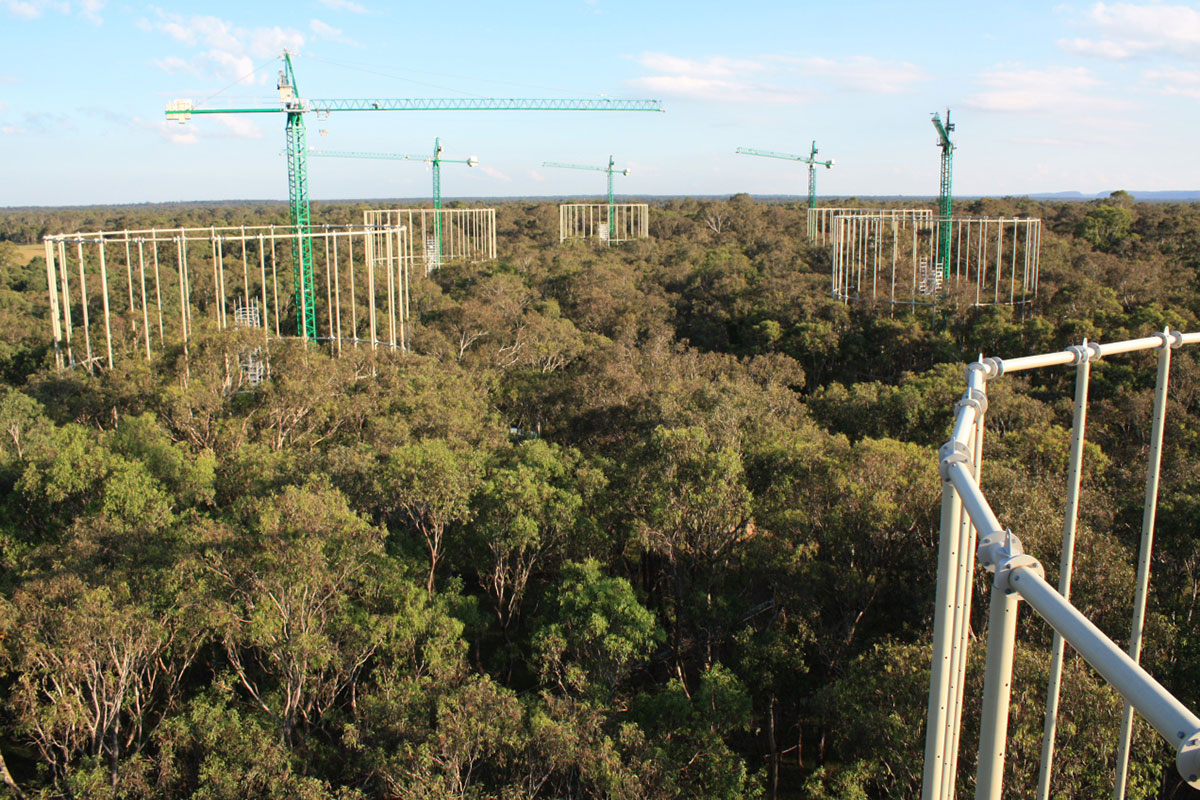
Not every data consultant starts in a spreadsheet. Some start in a field, pushing gas-sampling chambers into the ground at dawn, or in a molecular biology lab, running gel electrophoresis late into the evening. This is the story of how a career in research science became the foundation for a new chapter in data.
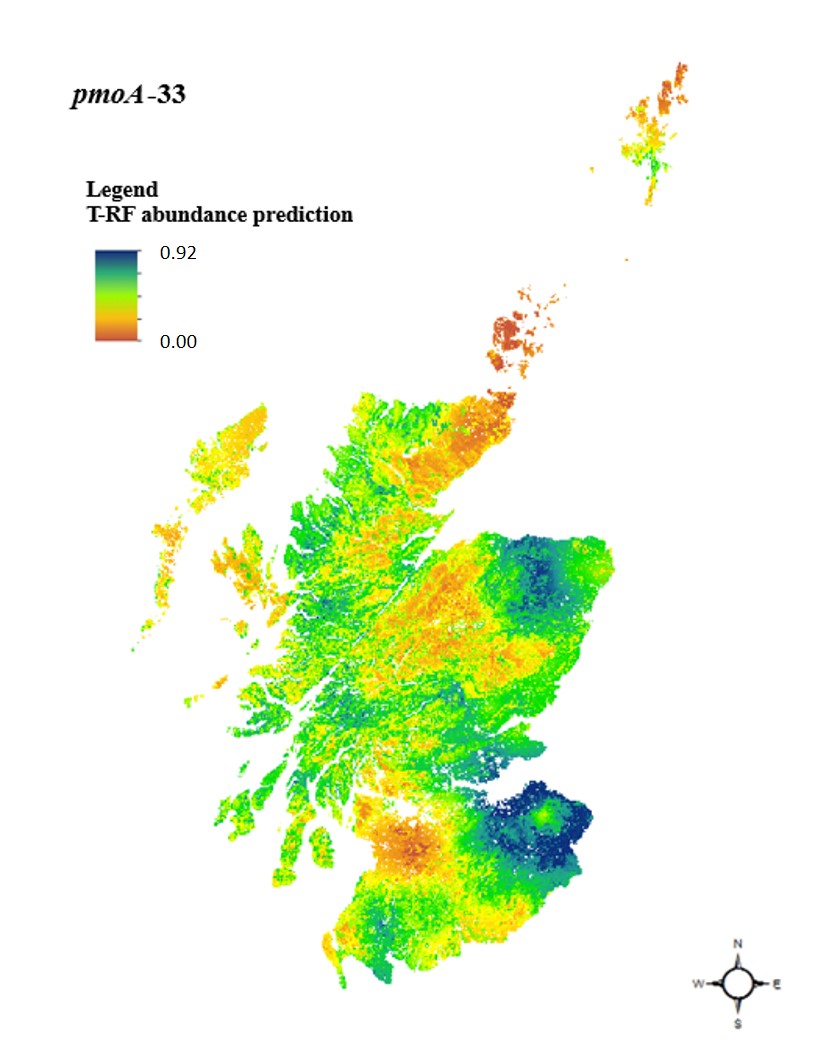
My scientific career began in earnest with a MSc thesis on Multiplex Terminal RFLP (M-TRFLP) — a molecular fingerprinting method for characterising soil microbial communities with high resolution. That early work, co-authored with Brajesh K. Singh and published in Applied and Environmental Microbiology, laid the methodological groundwork for years of subsequent research.
Greenhouse gas (GHG) flux measurements are notoriously noisy. Sensors drift, weather disrupts sampling, and the relationship between soil conditions and gas emissions is non-linear. This post walks through the analytical approach used in environmental GHG research projects, using data from the EucFACE experiment as a reference.
The primary gases of interest in soil flux studies are:
Fluxes are typically measured in µmol m⁻² s⁻¹ (CO₂) or nmol m⁻² s⁻¹ (CH₄, N₂O).