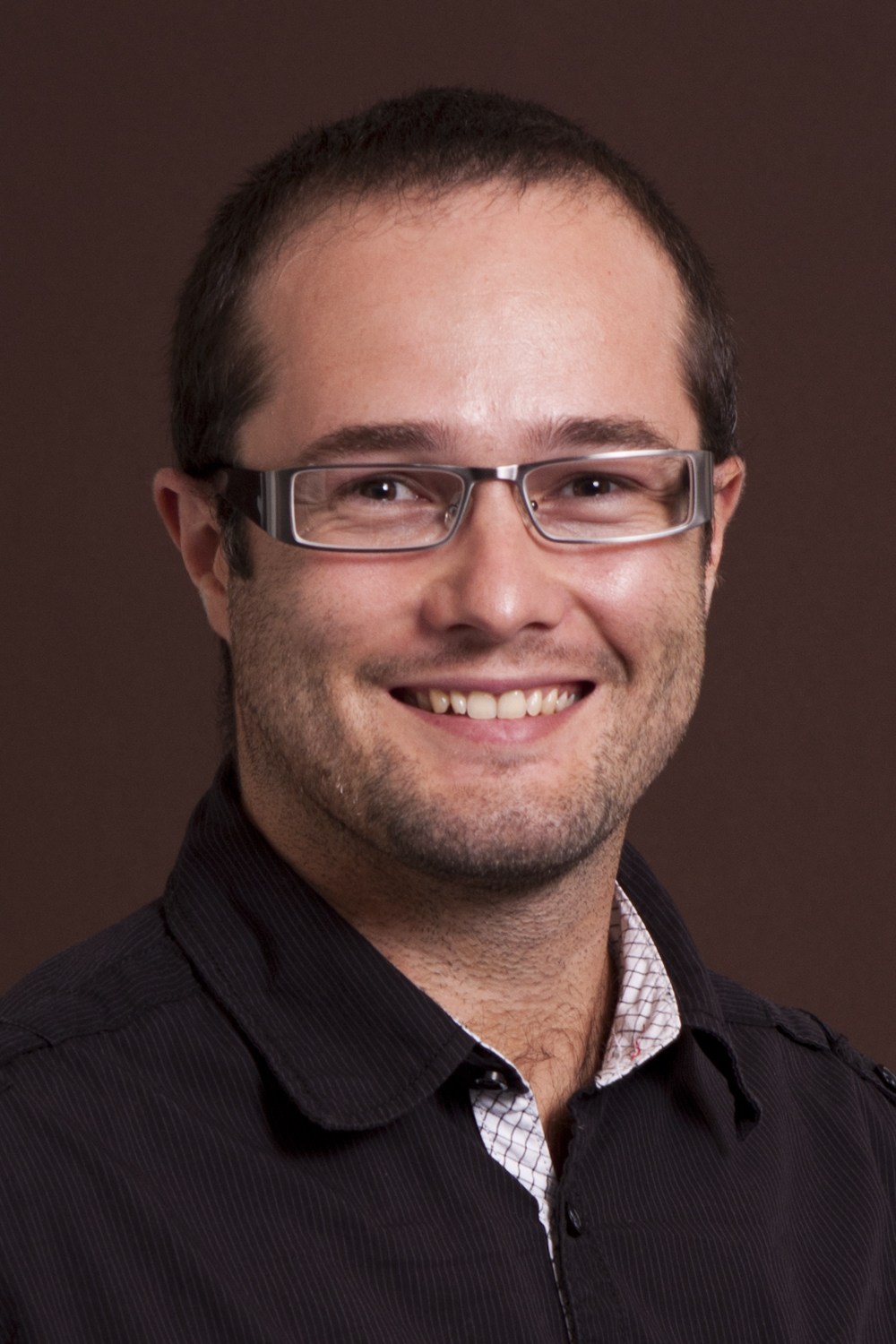
A career rarely unfolds in a straight line. Mine began in France, curved sharply north to Scotland, continued east to England, stretched all the way to Australia — and then found its way back to Bordeaux with a new purpose entirely.
Leaving France: Aberdeen and the Sciences

In 2002, I enrolled at Robert Gordon University (RGU) in Aberdeen, Scotland, completing a BSc in Biological Sciences (2002–2004) followed by an MSc in Instrumental Analysis Sciences (2004–2005). Studying in Scotland was a deliberate choice: the research culture, the rigour of the programmes, and the proximity to world-class environmental science institutes made Aberdeen an exceptional place to train. Besides, I had a strong incentive to improve my English and discover new people and traditions.
Alongside my studies, I worked part-time at the Rowett Research Institute, one of the UK’s leading nutrition and gut microbiology research centres. It was an early introduction to the lab bench, to scientific rigour, and to the reality that good data analysis sits at the heart of every credible scientific claim.
Into Research: James Hutton Institute and BioSS

After graduating, I stayed in Scotland and joined what was then the Macaulay Institute (now the James Hutton Institute) and the Biomathematics and Statistics Scotland (BioSS) unit (2005–2007). This was my first professional exposure to biostatistics at scale — designing experiments, fitting mixed-effects models, and grappling with messy ecological field data.
Those two years sharpened my instincts for the entire data lifecycle: careful collection, rigorous cleaning, model selection, and communicating uncertainty honestly to non-specialist stakeholders. Skills I would carry forward for the next fifteen years.
The PhD: Aberdeen and Warwick
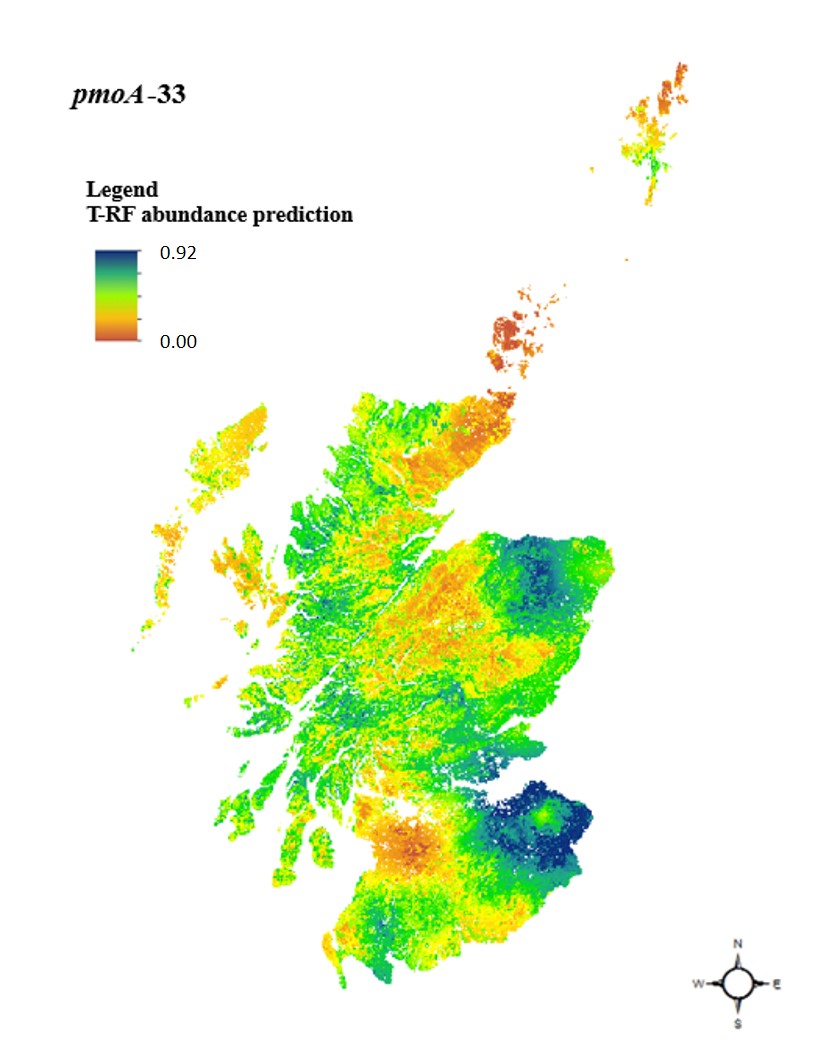
In 2007, I began a joint doctoral registration at the University of Aberdeen and the University of Warwick, supervised by Brajesh K. Singh. My thesis — Land-Use Changes and Methanotrophic Community Structure and Function — examined how converting grassland to forest alters the bacterial communities responsible for consuming atmospheric methane.
The PhD combined molecular ecology, gas flux measurements, statistical modelling, and field work across New Zealand and Scotland. It culminated in several peer-reviewed publications and, importantly, in a commercial patent for MT-RFLP (Multiplex Terminal Restriction Fragment Length Polymorphism), a high-resolution molecular fingerprinting method for soil microbial communities. I graduated in 2011.
Australia: Eight Years at Western Sydney University
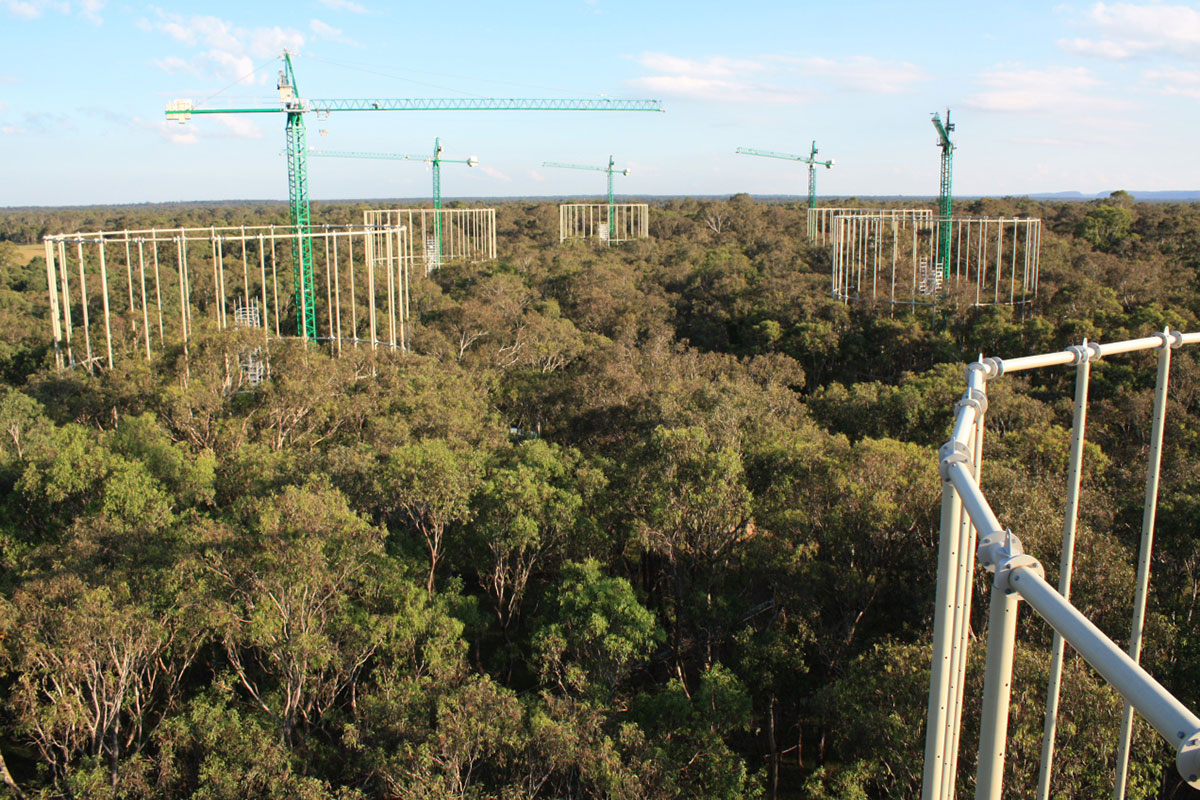
My supervisor Brajesh Singh moved to the Hawkesbury Institute for the Environment at Western Sydney University (WSU), and I followed as a Statistical Research Analyst (2011–2018). Those seven years were intellectually formative.
The work started in greenhouse gas ecology and expanded steadily outward: soil carbon modelling, climate change experiments, spatial interpolation with Kriging, Random Forest classifiers, and time-series analysis. I collaborated with teams at Imperial College London, the University of Minnesota, and elsewhere.
By the time I left WSU in 2018, I had accumulated more than a decade of experience with Machine Learning, statistical modelling, and the kind of large, complex, heterogeneous datasets that define modern data science — even if the job title said “researcher.”
Coming Full Circle: Career Change in Bordeaux
Returning to France in 2018, I was clear about what I wanted: to apply the analytical depth of academic research to business and industry problems. The missing piece was translating academic skills into an industry vocabulary.
In early 2020, I enrolled at La Piscine Centre de Formation in Bordeaux for an intensive Python / Data Analyst programme (January–November 2020). The curriculum covered Python, SQL, machine learning pipelines, data visualisation, and agile project delivery — the practical bridge between biostatistics and data consultancy.
That programme opened the door to roles at BIFORA, IMC, and eventually to my position at EPSYL (ALCEN Group) and, lately, SOFTEAM.
The journey from Bordeaux to Aberdeen and back took twenty years. What it left behind was a set of analytical habits — rigour, curiosity, scepticism about noise — that no industry transition can replace.